After the View Goes: A Lodge Lounge Lighting Plan for Dark UK Afternoons
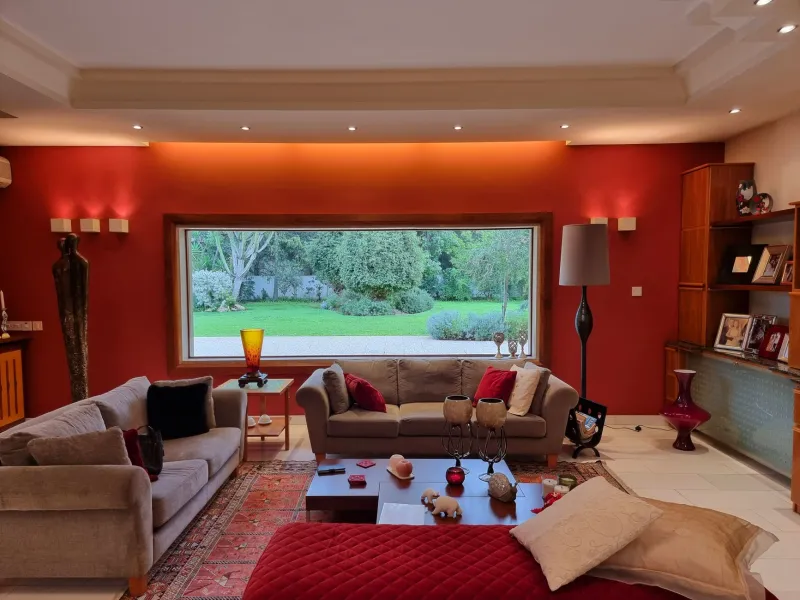
There is a particular moment in a UK lodge winter when the afternoon quietly gives up. You look out at the view, then back at your cup of tea, and by the time you look up again the glass has turned into a dark mirror. It can be beautiful, but it can also make a lounge feel flat, shadowy and a bit unloved. The 4pm problem is rarely about having no light at all. It is about having the wrong light in the wrong place.
Start with pools of light, not one big switch
A single ceiling fitting is the default in plenty of holiday lodges. It is cheap, simple and bright enough to find a lost shoe under the sofa. But after dark it tends to light the room like a waiting room, not a place to settle into. The trick is to build layers: a low warm glow in one corner, a focused pool beside a chair, a softer wash near the sofa. You are not trying to illuminate every square inch. You are trying to make a few inviting places where people want to sit.
In a compact lounge, three small sources often beat one large one. A floor lamp behind a reading chair, a table lamp on a side table and a low-level lamp near the window can transform the room. If floor space is tight, look for slim floor lamps with a weighted base or a table lamp on a narrow console. The aim is a room that feels gently lit rather than officially illuminated.
The ceiling light is not the enemy, but it needs manners
Overhead lights have their uses: cleaning, finding the TV remote, sorting out a board game. The problem is using them as the main evening light. Bright downlights can bounce straight off big glass, creating glare and turning the window into a hard sheet of reflection. Guests then close the curtains not because they want privacy, but because the room is uncomfortable.
If you cannot change the ceiling fittings, fit warm dimmable bulbs and use them sparingly. A dimmer switch is a small upgrade with a big effect. It lets the ceiling light drop to a soft background level while lamps do the real work. Avoid cool white bulbs in the lounge. They make timber, wool and painted walls look grey and clinical. Warm white is the safer choice for a lodge, especially in autumn and winter.
Get the bulb temperature right
Bulb packaging can feel like a science exam, but the useful number is the colour temperature. For a cosy lodge lounge, look for warm white around 2700K. Some people prefer an even warmer, almost amber glow for table lamps, though too much of it can make the room feel dim if you are trying to read. A mix works well: slightly warmer lamps at low level, a neutral-warm light for any task lighting.
Check that bulbs are dimmable before pairing them with a dimmer. Not all LEDs behave nicely, and a cheap non-dimmable bulb may buzz or flicker. If you are buying for a holiday let, spend a little more on decent dimmable LEDs. They last, they run cool and they save you the joy of replacing bulbs every changeover.
Plug-in solutions for awkward lodge wiring
Older lodges and cabins often have wiring that was designed for a different era, or walls that are not keen on new holes. You do not need to rewire the place to improve the lighting. Plug-in wall lights are a practical option: they fix to the wall and plug into a nearby socket, giving you soft light without a ceiling rose. Cable trunking can hide the lead along a skirting board or behind furniture.
Smart plugs are another simple fix. Use them to put table lamps on a timer so the lounge is welcoming when guests arrive after a dark drive. Rechargeable table lamps are brilliant for corners with no socket at all, and they can move out to the deck in summer. Battery-powered picture lights or small portable lamps can also add a gentle glow without any wiring drama. Just keep charging cables tidy and label any plugs so guests know what switches on what.
Stop the glass turning into a black mirror
Big windows are one of the best things about a lodge, but after dark they reflect whatever is bright inside. A ceiling light directly in front of the glass will show up as a harsh star in the window, while a bright lamp with an open shade can create a distracting hotspot. Move lamps away from the glass where you can, and choose shades that soften the light. A fabric shade, a ceramic base or a frosted glass diffuser will all feel kinder than a bare bulb.
If the room still feels exposed after dark, consider a simple blind or curtain that can be drawn across part of the window. You are not blocking the view forever, just giving guests the option to soften the room when the view has gone. In a small lounge, a lined roman blind or a pair of narrow curtains can make the evening feel much more enclosed without making the space feel closed in during the day.
A quick evening lighting check
Before the next guest arrives, try this: turn off the ceiling light, switch on two lamps, dim them to about half and sit where a guest would sit. Can you read? Is there a glare in the window? Does the room feel warm rather than gloomy? If the answer is no, move a lamp, swap a bulb or add a small rechargeable light. It is a ten-minute job that makes a dark afternoon feel like an invitation to stay in, rather than a reason to go out.