The Changeover Clock: Furniture Specs That Give Housekeeping Their Mornings Back

Photo: Tim Marshall, CC BY-SA 2.0, via Wikimedia Commons
Anyone who has cleaned a lodge between a Sunday checkout and a Friday arrival knows the real cost of furniture isn't only the invoice. It's the twenty minutes spent fishing crumbs out of a rattan weave, the half-hour wrestling a fixed sofa cover back into place, and the extra wash load created by six decorative cushions nobody actually needed. In a back-to-back let, those minutes add up fast.
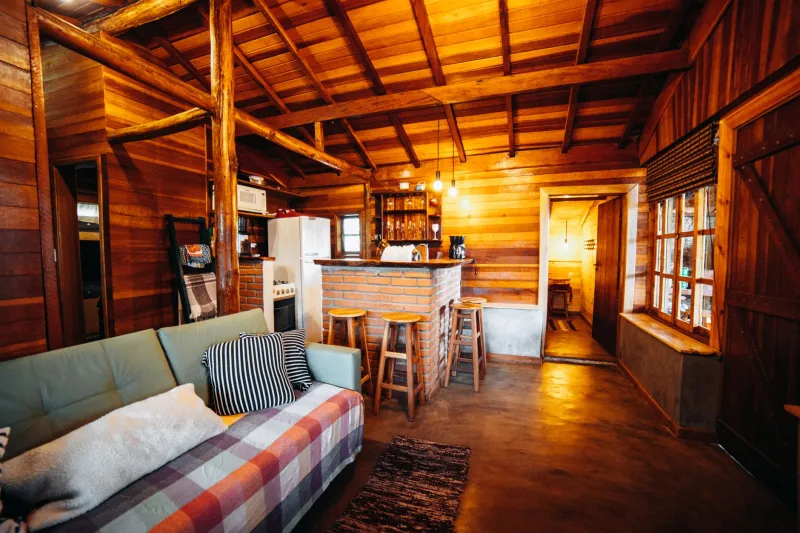
None of this means choosing furniture that looks like a dentist's waiting room. It means specifying with the changeover in mind. The best lodge pieces are the ones that look good on the listing photos and still behave themselves when a family of five, two dogs and a week of Welsh rain have finished with them. Here are the furniture details that quietly hand time back to housekeeping.
Start with what touches the floor
Legs are the most underrated cleaning feature in a lodge. A sofa or bed that sits flush to the floor creates a dark, crumb-filled tunnel that nobody wants to investigate at 10am on a changeover day. Look for raised legs with at least 15cm of clearance, ideally more on sofas and beds. That gap lets a vacuum head or a flat mop get underneath without moving the furniture.
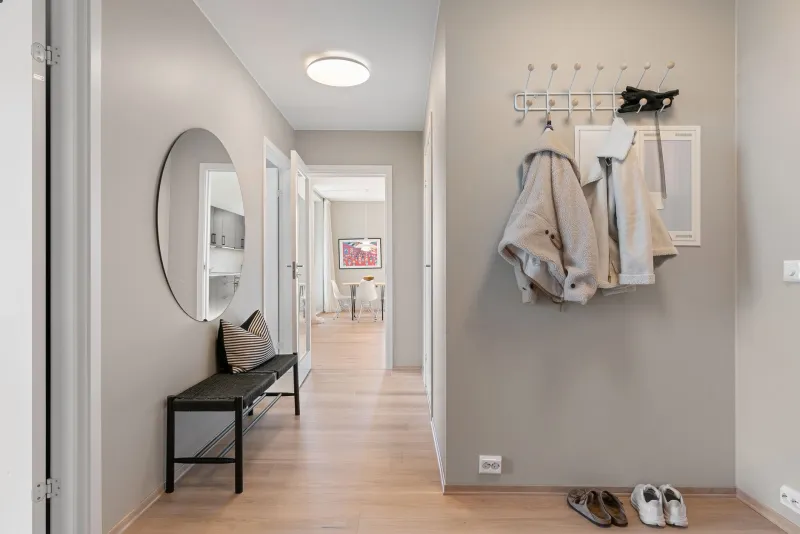
This matters especially in hallways and boot rooms, where grit and pet hair gather first. Beds with open underbed space are easier than divans with fabric skirts. Bedside tables on slim legs beat solid plinths. If you want a built-in look, consider wall-hung bedside cabinets or a shelf fixed to the wall rather than a heavy unit that has to be dragged out for a proper clean.
The same logic applies to dining tables. A pedestal base with a clear floor around it is quicker to wipe around than four chunky corner legs. If you use a rug under the table, make sure the chairs don't catch it every time they are pulled out.
Removable covers are not a compromise
Fixed upholstery can work in a low-traffic second home, but in a holiday let it is a hostage to fortune. Loose covers that zip off and go in the machine are worth their weight in gold after a wet dog weekend or a red wine spill. Check the care label before you buy, and check whether the covers are sold separately. A spare set of cushion covers can be the difference between a same-day fix and a cancelled arrival.
Don't stop at the sofa. Dining chair seat pads, bench cushions and window-seat covers should all be removable where possible. Look for concealed zips rather than visible ties that guests will fiddle with. Velcro is fine on a bench pad but less so on a main sofa, where it tends to collect lint and pet hair in the seams.
If you are buying new upholstery, ask how the covers are cleaned. Some are dry-clean only, which is not much use mid-season. Others are machine washable at 30 degrees, which is exactly what you want. Keep a note of the washing instructions in your housekeeping folder so nobody improvises with a hot wash in December.
The cushion count should be a calculation, not a styling decision
Scatter cushions photograph beautifully and clean terribly. Every extra cushion is another item to plump, turn, vacuum and occasionally wash. It is also another thing guests will toss on the floor or stuff behind the sofa. For a family lodge, two cushions per sofa is usually plenty, plus one throw or blanket that can be washed and dried quickly.
If you want a layered look, use larger cushions with removable covers rather than a pile of small ones. Avoid tassels, fringing and heavy embroidery, which trap dust and pet hair. Plain or subtly patterned covers in a durable weave will survive more washes and look better for longer.
The same arithmetic applies to beds. A simple throw at the foot of the bed is easier to launder than a full decorative bedspread. If you use a valance, make sure it is removable. Otherwise it becomes a dust catcher that only gets cleaned when somebody remembers.
Wipe-clean finishes beat fussy materials
In high-touch areas, smooth and sealed wins. A matte lacquered tabletop is easier to wipe than untreated oak, which needs oiling and still marks when a child leaves a wet glass on it. Powder-coated metal frames are simple to clean. Glass tops look smart but show every fingerprint, so they are not always the quickest option in a busy dining area.
Avoid deep grooves, open rattan weaves and carved details in the rooms where food and muddy hands end up. They may look characterful, but they are lint traps. If you love rattan, keep it to a bedroom or a low-traffic corner rather than the main dining table.
For kitchen and dining surfaces, check the edges as well as the top. A sealed edge is easier to wipe than a raw one. This is also worth thinking about on coffee tables, where guests put cups down without looking.
Rugs need to survive a wash, not just a vacuum
A washable rug is one of the best operational buys in a lodge. Look for low-pile or flatweave rugs that can go in a domestic machine, or at least be hosed down and dried flat. Avoid long fringes, which tangle in vacuum brushes, and very pale colours in hallways and boot rooms. A medium-toned pattern hides the worst of the mud between deep cleans.
Non-slip backing is essential on wooden and tiled floors. A rug that slides is a trip hazard and a pain to straighten during changeovers. If the rug is in a dining area, check that chair legs don't snag on it. In bedrooms, a small washable runner at the side of the bed is often more practical than a large rug that needs professional cleaning.
Beds, bunks and the ten-minute reset
Bunk beds should have simple frames, easy-to-reach mattress protectors and no fabric valances. Open slatted bases are easier to vacuum than solid platforms. If you provide underbed storage, use baskets that pull out easily rather than fixed drawers that collect dust in the runners.
Headboards should be wipeable or have removable covers. Upholstered headboards look lovely, but in a let they need to be cleanable. A simple painted or wooden headboard is quicker to wipe and less likely to hold odours.
The buying questions to ask before you commit
Before any furniture purchase for a let, ask five practical questions. Can I vacuum underneath it? Can I wash the covers? Can I dry them quickly? Does it have crevices that will trap crumbs? And can one person move it if needed?
If the answer to most of those is yes, you are probably onto a good thing. Spend your budget on the pieces that take the most punishment: the main sofa, the hallway runner, the dining chairs and the bed bases. Save on decorative extras that add cleaning work without adding much to the guest experience.
The goal is not a sterile lodge. It is a lodge that still feels warm and inviting on Friday afternoon, without the housekeeping team losing their morning to furniture that fights back. Choose pieces that make cleaning easier and the whole operation gets a little calmer, one changeover at a time.