Test the Sample, Not the Swatch: Choosing Upholstery That Survives a Real Lodge Weekend
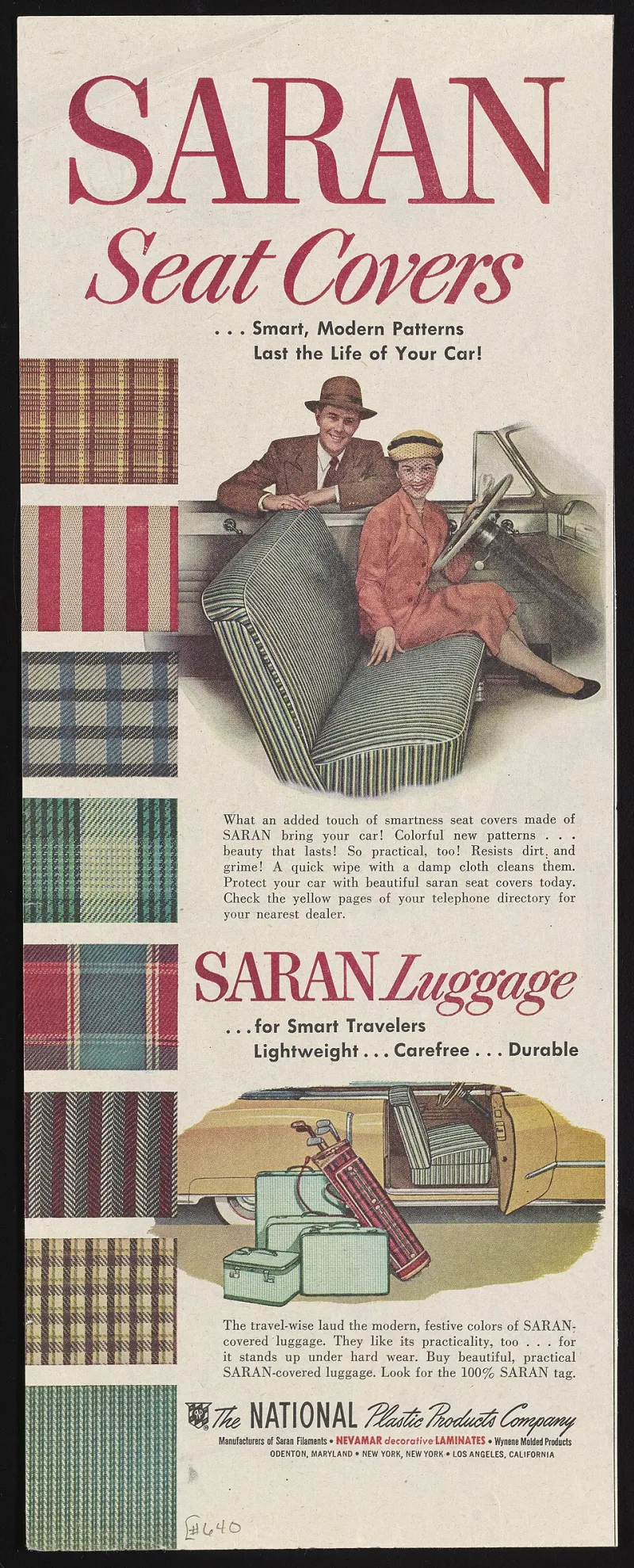
Photo: Dow Chemical Company, Public domain, via Wikimedia Commons
Somewhere in every lodge owner's saved photos there is a pale linen sofa with a throw draped just so. It looks lovely. It also has nothing to do with the third weekend in November, when four guests, a wet spaniel and a bottle of Merlot all arrive at once.
Buying upholstery for a holiday let is not the same job as buying it for your own front room. Your front room has one set of habits. A let has dozens, and they rotate every Friday. The fabric has to survive all of them and still look presentable when the photographer comes back in spring.
So the useful question is not 'which fabric looks best?' It is 'which fabric still looks decent at nine o'clock on changeover morning?'
The showroom is a lab with the variables removed
A swatch on a display board has been handled by nobody, sat on by nobody, and lit by a spotlight that would flatter a bin bag. No sun cream has been applied to it. No child has wiped a jammy hand across it. It has never met a dog.
The fix is simple and costs almost nothing: order A4 samples rather than the little 10cm squares, and put them through a weekend on purpose before you commit to twelve metres of the stuff.
Four tests worth running on the kitchen table
The dark drink test. Pour a small amount of red wine, black coffee and tea onto separate corners and leave them for ten minutes, not ten seconds. Blot, then clean with whatever the care label permits. What you are looking for is not a perfect result — it is how much shadow remains after a normal clean.
The sun cream test. This one catches people out. Sun cream and insect repellent are the summer stains, and they are oily rather than watery. They sit in a weave, attract dust and can yellow over time. Squeeze a pea-sized blob onto the sample, leave it 24 hours, and clean as instructed.
The paw test. If dogs are welcome, press a damp sponge into the fabric to mimic a wet nose, then drag a firm thumbnail across it in a turning motion — the sort of move a dog makes settling into a corner. Loose weaves and flat, tight velvets will tell you different stories here.
The grit test. Rub a pinch of dry sand or grit into the surface and brush it off. Lodges near beaches and trails get this constantly, and abrasion does more long-term damage than any single spill.
Rub counts are useful, but they are not the whole story
Martindale abrasion figures get quoted a lot in showrooms. As a rough guide, anything from about 20,000 cycles is fine for ordinary domestic use, 25,000 to 30,000 suits heavier use, and contract-grade fabrics sit higher still. For a let that turns over weekly, it is worth aiming above the domestic minimum.
What a rub count does not tell you is how the fabric handles stains, sun or cleaning products. A high-scoring weave can still hold a coffee mark forever. Treat the number as one line on the spec sheet, not the verdict.
Learn to read the cleaning code
Most upholstery sold in the UK carries a cleaning code, and it matters far more in a let than at home, because the person cleaning it is often a housekeeper with twenty minutes and a cloth.
- W — water-based cleaners are fine.
- S — solvent cleaners only; water can cause rings or shrinkage.
- WS — either will do.
- X — vacuum only. Avoid for a let.
In practice, W or WS is what you want. Anything labelled dry-clean-only is a red flag for a holiday property, because in the real world nobody is sending a sofa cover to the dry cleaner between guests.
Also check that the furniture carries the correct UK fire safety labelling for domestic upholstered furniture. It is a legal requirement, and worth confirming in writing rather than assuming.
Removable covers: do the changeover maths
Loose covers sound like the obvious answer, and often they are. But two sofas with eight scatter cushions means a lot of zips on a Friday. Ask yourself:
- What temperature can the covers be washed at?
- Do they need ironing to look right again?
- Are they pre-shrunk, or will the second wash be a surprise?
- How long does re-dressing actually take?
If re-dressing a sofa takes forty minutes, you have added six hours a month to your housekeeping bill. Sometimes the smarter buy is a fixed cover in a forgiving mid-tone, plus a couple of washable throws that can be swapped in five minutes.
Leather, woven and velvet: honest trade-offs
Leather wipes clean and shrugs off spills, which is why so many lets use it. The caveats: aniline and semi-aniline leathers stain and scratch readily, so look for pigmented or coated finishes; dog claws will mark softer hides; and dark leather can feel cold in a February lodge. Sun through big glass will fade it over time.
Wovens — cotton blends, linens, textured weaves — feel warmer and photograph beautifully. Tighter weaves resist grit better than loose ones. Mid-tones and subtle patterns hide more than either pale cream or very dark flat colours.
Performance velvets clean surprisingly well and feel lovely, but pile shows handprints, crushed patches and the occasional dog impression. Fine in a lounge away from the door; a poor choice for a boot room or the bench where hot-tub towels land.
Match the fabric to the room, not the mood board
A single fabric scheme across a whole lodge is tidy on paper and wrong in practice. The lounge can take something soft and deep because it is mostly socks and evening drinks. The dining bench needs wipe-clean. The entrance and boot-room seating wants nothing pile-based at all. Bedroom benches and headboards get the gentlest life of the lot, so that is where you can afford to be a bit more precious.
The sign-off ritual
Before you order, tape the tested samples to a sheet of paper, write the date and what you did to each one, and take a photo for your records. Ask the supplier for the care instructions and abrasion rating in writing. Then, once the furniture arrives, keep a labelled swatch card taped inside a kitchen cupboard — it makes reordering, matching and future cleaning questions considerably easier.
A fabric that looks lovely in a photograph and a fabric that looks respectable after a wet weekend are two different products. Buy the second one, and the photographs will still be there next year.