The Warm Side of the Room: Furniture Layouts That Let Lodge Heat Breathe
There’s a particular moment in every lodge when the heating comes on and you realise the sofa is sitting directly in front of the radiator. The room takes ages to warm up, the seat feels oddly toasty on one side, and the whole layout seems to have been designed by someone who hated both comfort and physics. It’s a common problem in UK holiday homes, where compact rooms often mean radiators, log burners and wall heaters end up share the same few square metres as the furniture.
The good news is that you don’t need a radical redesign. You just need to treat heat as part of the floor plan. Here’s how to furnish around heat sources without losing warmth, floor space or the feeling that guests can actually relax.
Start by mapping the heat, not the furniture
Before you move a single sofa, walk the room and note every heat source: radiators, electric panel heaters, log burners, underfloor heating zones and any wall-mounted heaters in the bathroom or hallway. Then look at where the cold spots are. In many lodges, the radiator sits under the window because that’s where it was plumbed in, and the natural instinct is to put a sofa or dining table right there to make use of the view.
That’s usually the wrong move. Heat rises, and a sofa pressed against a radiator traps warm air behind it while the rest of the room stays cool. Instead, treat the radiator wall as a circulation zone. Leave a gap, keep the top clear, and let the warmth spill into the room. If the room is small, a slim console or a low bench can sit nearby without blocking the output, but avoid anything tall and upholstered directly in front.
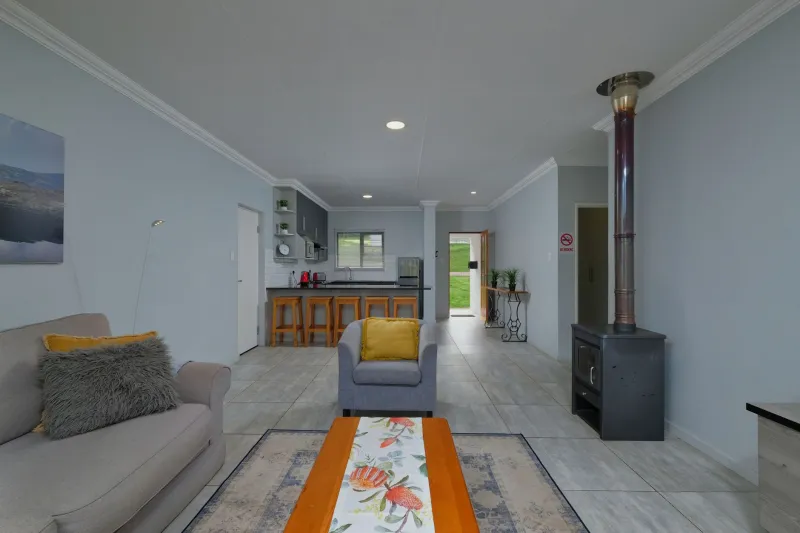
For log burners, the clearances are non-negotiable. Follow the manufacturer’s instructions and UK building regulations, and keep combustible furniture well back from the fire. A curved or angled arrangement often works better than a straight sofa facing the burner, because it gives everyone a view of the flames without crowding the hearth.
Give radiators room to breathe
A radiator doesn’t need a red carpet, but it does need airflow. As a practical rule, try to leave 10–15cm of clear space above and around a standard radiator where the room allows. Don’t box it in with a tight cabinet, and don’t hang heavy curtains over the top. If you use a radiator cover, choose one with generous slatted ventilation and make sure it doesn’t become a shelf for damp towels and discarded coats.
In small lodge bedrooms, the temptation is to push the bed against the radiator wall to maximise floor space. That can make the bed uncomfortably warm on one side and leave the rest of the room chilly. If you’re short on space, a low-profile bed frame with a gap behind it is better than a solid divan jammed right up against the heat source. A headboard can sit near a radiator if there’s a clear gap, but keep bedding and throws from draping over the top.
Wall-mounted heaters are easier to work around because they don’t take up floor space, but they still need a clear zone. Don’t place a tall wardrobe or a bunk bed directly beneath one, and check the manufacturer’s clearance guidance before you build any furniture around it.
Choose fabrics that can take the warmth
Near a radiator or log burner, fabric choice matters. Natural fibres such as wool, cotton and linen tend to handle warmth well and feel pleasant in a lodge setting. Leather can work near a log burner if it’s kept at a sensible distance, but it can dry out and crack if it’s too close to a strong heat source. Synthetics are best kept away from direct heat, and anything with a loose weave or long pile should be positioned carefully.
For curtains, choose thermal or lined options and tie them back so they don’t sit over a radiator. Heavy curtains that trap heat against a window can cause condensation, which is the last thing a lodge needs in a damp UK winter. If you want a layered look, use a blind plus a lighter curtain rather than a thick, floor-length pair that blocks the radiator entirely.
Rugs are your friend with underfloor heating, but keep them thin. A thick rug or heavy furniture can reduce the efficiency of underfloor heating, so choose low-pile rugs and avoid placing a solid ottoman or storage bench over the same patch all year round. Move things occasionally so the heat can circulate.
Rethink the sofa and bed positions
In a compact living room, the best sofa position is usually perpendicular to the radiator rather than in front of it. That way, the heat can rise into the room and the sofa still faces the fire, the view or the TV. If the room is narrow, a small two-seater against the internal wall and a pair of lightweight chairs near the window can work better than one large corner sofa that swallows the floor.
For beds, avoid pushing the headboard against a radiator if you can. A bed placed on the internal wall often feels warmer anyway, and it leaves the exterior wall free for a slim chest of drawers or a luggage bench. In bunk rooms, keep the top bunk away from wall heaters and make sure there’s a clear gap for air to move. A simple slatted bunk frame is better than a solid box design because it lets warm air circulate around the mattresses.
Keep compact rooms warm without blocking the heat
Small lodge rooms lose heat quickly, especially when they’re empty midweek. Instead of cramming furniture against every heat source, use a few targeted additions: a draught excluder at the door, thermal linings on curtains, a wool throw on the sofa and a low-pile rug over cold floors. These make the room feel warmer without interfering with the heating system.
If the radiator is in an awkward spot, a slim radiator cover with a shelf can give you a place for a lamp and a cup of tea, but only if it’s properly ventilated. Avoid using it as a drying rack. Damp towels over a radiator are a classic lodge habit, but they block heat and add moisture to the air.
Finally, leave a little space. A room that’s 10cm too full feels colder because the air can’t move. A sofa pulled slightly away from the wall, a bed with a gap behind it and a clear path around the log burner will all make the heating work harder for you. In a UK lodge, warmth is part of the hospitality. Furniture should help it along, not stand in its way.