The Cheapest Wall You'll Ever Buy: Zoning a Lodge with Rugs and Runners
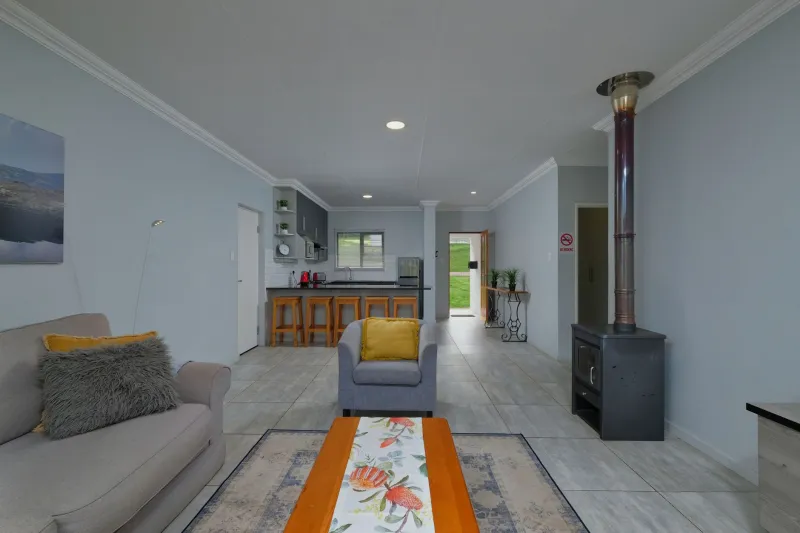
Open-plan is brilliant until everyone is tripping over each other. The sofa drifts towards the dining table, the dog beds colonise the walkway to the kitchen, and guests keep asking where the bedroom actually starts. You do not need stud walls or a builder to sort that out. You need a rug in the right place, at the right size, with a backing that will not slide across the floor when someone in wet socks takes a corner too fast.
Treat the floor as furniture and the whole room starts to behave. A rug is the cheapest wall you will ever buy, and the only one you can roll up on changeover day.
Start with the walk, not the rug
Before you shop, watch how people move through the lodge. The boot route from the door, the hot tub walk-back, the path from kitchen to sofa, the nightly shuffle from lounge to bedroom: these are the routes that matter. Rugs should sit beside those routes, not across them.
Leave a clear walking lane of around 60–75cm between rug edges and doorways or kitchen units. In a compact lodge, a runner down a corridor or along the side of a bed can do more zoning work than a large rug in the middle of the room. Just keep the edges flat. A curled corner on a polished floor is a trip hazard with a guest complaint attached.
Sizing rules that stop rugs looking like bath mats
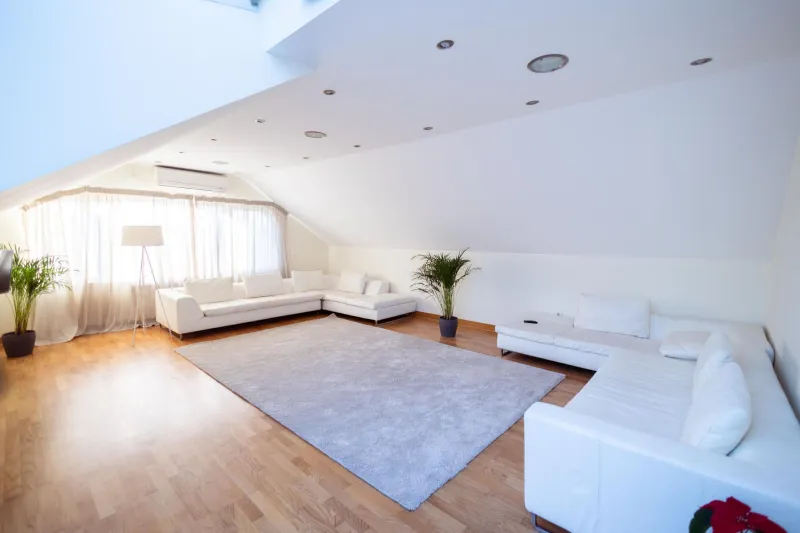
The most common mistake is buying too small. A tiny rug floating in the middle of a lounge does not define a zone; it looks like someone dropped a towel. As a rule, go bigger than you think.
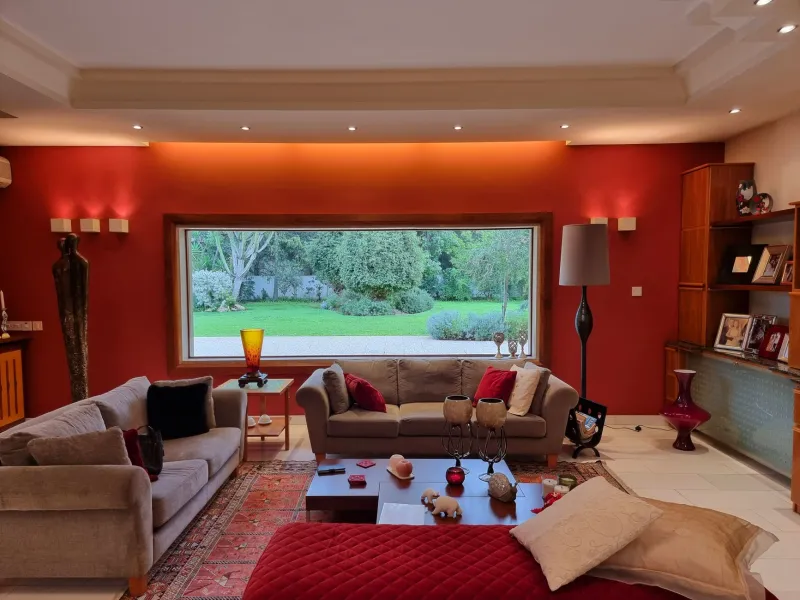
Lounge zone: the rug should sit under the front legs of the sofa and extend at least 20–30cm beyond the coffee table. In a typical lodge lounge, that means something around 240 x 170cm, or 300 x 240cm if the room is generous. If the sofa is against a wall, the rug can stop just behind the front legs, but it still needs to reach past the seating area.
Dining zone: measure the table, then add 60–70cm on every side. Chairs should stay on the rug when pulled out, not catch on the edge every time someone gets up. A low-pile flatweave is the sensible choice here, because dining chairs and rug piles are not natural allies.
Sleep zone: in a bedroom, a rug under the lower two-thirds of the bed is usually enough. It gives bare feet something warm to land on and visually anchors the bed. A runner across the foot of the bed is a good compromise in tight rooms, especially where wardrobe doors need clearance.
Entrance zone: this is where a runner or mat earns its keep. Choose something absorbent, low-profile and easy to vacuum. If it is too thick, the door will not clear it; if it is too thin, it will slide. A properly sized doormat plus a washable runner is a better combination than one oversized rug that catches every wet boot.
Materials that survive real lodge life
A lodge rug has to cope with mud, dog claws, damp air and the occasional spilled hot chocolate. Style matters, but survival matters more.
Wool is warm, hard-wearing and naturally dirt-resistant, which is why it remains a solid choice for lounges. It can be heavy and slow to dry, though, so it is less ideal in a boot room or right beside a hot tub route. Wool blends can offer a good middle ground.
Polypropylene and recycled PET rugs are practical workhorses. They are easy to spot-clean, colourfast and generally kinder on the budget. They will not feel as luxurious underfoot as wool, but in a holiday let that is often the right trade-off. Cotton flatweaves are washable and light, but they can slip and crease unless you use a good underlay.
Avoid deep shag, loose loops and viscose in high-traffic areas. Dog claws catch in loops, wet feet flatten shag, and viscose marks badly with water. Look for solution-dyed fibres if colour fading is a concern, especially in rooms with big glass and strong afternoon sun.
Anti-slip, trip hazards and the small print
A rug without decent backing is a skateboard for guests. Use an anti-slip underlay or rug gripper, especially on wood, tile and laminate. Check that the underlay is suitable for underfloor heating if you have it, and avoid cheap foam backings that crumble after a season of cleaning.
Flat edges matter more than most owners realise. Vacuum regularly, straighten curled corners and replace any rug that will not lie flat. In a lodge used by mixed-age groups, keep pile low and edges secure. A beautiful rug that catches a walking stick or a toddler's foot is not a good buy.
Also think about thresholds. A thick rug beside a sliding door can stop the door, and a loose runner on a polished floor is an accident waiting for a wet Friday night. Test every rug in place before you commit.
Changeover-day common sense
Rugs should make changeovers easier, not harder. Choose smaller runners that can be shaken outside, vacuumed quickly and spot-cleaned with a mild detergent. Keep a simple rug kit in the lodge: a soft brush, a stain spray suitable for the fibre, and a couple of spare anti-slip pads.
Rotate rugs where you can so wear is spread evenly. In damp weather, lift small rugs and let them dry properly rather than leaving them flat against a cold floor. And resist the urge to over-pattern every zone. Two or three well-chosen rugs will do more than a patchwork of offcuts.
The floor plan you can actually change
Rugs are not a substitute for good layout, but they are a brilliant way to make an open-plan lodge feel considered. They tell guests where to sit, where to eat and where to take their wet boots off. They add warmth without carpeting every inch, and they can be swapped when the style moves on.
Measure with painter's tape first, buy the biggest rug your zone can carry, and put safety and cleaning ahead of fluffiness. Do that, and the floor stops being an afterthought. It becomes part of the plan.